



Ultrasonic Thin Film Coatings for Sensor Manufacturing
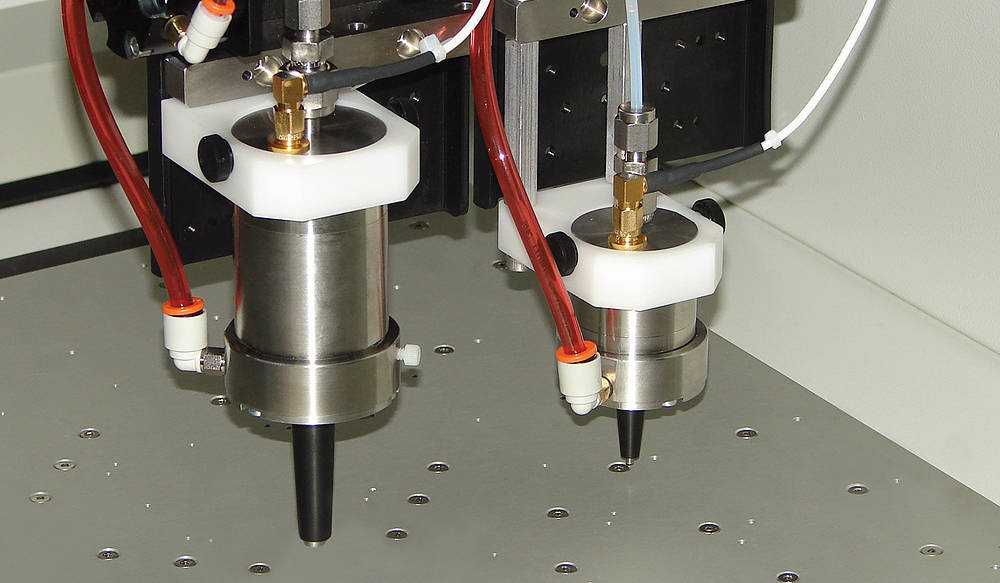
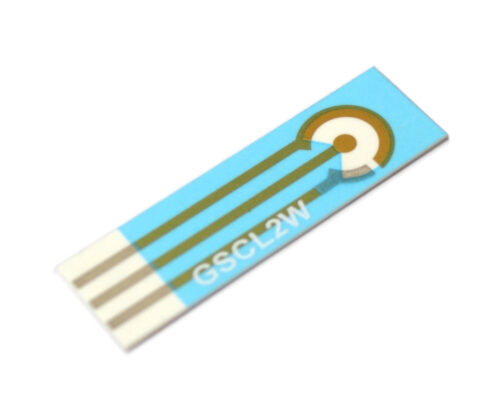 Sono-Tek ultrasonic spray systems deposit high-quality thin film coatings onto sensors using functional nanoparticles, polymers, conductive polymer coating chemistries, and oxide formulations. The non-contact coating process applies uniform thin film coatings onto a wide range of sensor substrates, with tightly controlled film thickness — from nanolayers to tens of microns — with closed-loop, real-time control to ensure consistent thin film deposition.
Thin Film Coatings of Functional Nanoparticles for Sensors
Sono-Tek platforms are widely used for Nanoparticle Spray on Sensors where functional nanomaterials create specialized electrical, optical, or chemical response. Ultrasonic atomization produces a gentle, fine aerosol that helps preserve nanoparticle dispersion, enabling consistent coating morphology and stable conductivity across the thin film sensor surface.
Ultrasonic spray deposition is a proven approach for creating functional nanoparticle thin film coatings onto sensors. In published sensor work, ultrasonic spray has produced uniform oxide and nanoparticle layers with controlled film thickness, engineered morphology, and strong, real-time electrical response. These results mirror what manufacturers need in production: repeatable thin film deposition, tunable conductivity, and durable sensor performance.
Applications include:
- Thin film coatings of nanoparticles for gas, biological, and environmental sensors
- Conductive oxides and hybrid films for flexible or rigid microelectronics
- Protective and catalytic thin film technology layers for harsh-environment devices
Polymer Coatings onto Sensors (Including Conductive Polymers)
Sono-Tek systems also excel at Polymer Coatings onto Sensors, including Conductive Polymer Coating layers used for signal transduction, protection, or functional interfaces. Ultrasonic spray enables:
- Conformal thin film coatings over complex geometries
- Stable deposition rates at very low flow (ideal for expensive nano-suspensions and polymers)
- Uniform films even on heat-sensitive or flexible substrates
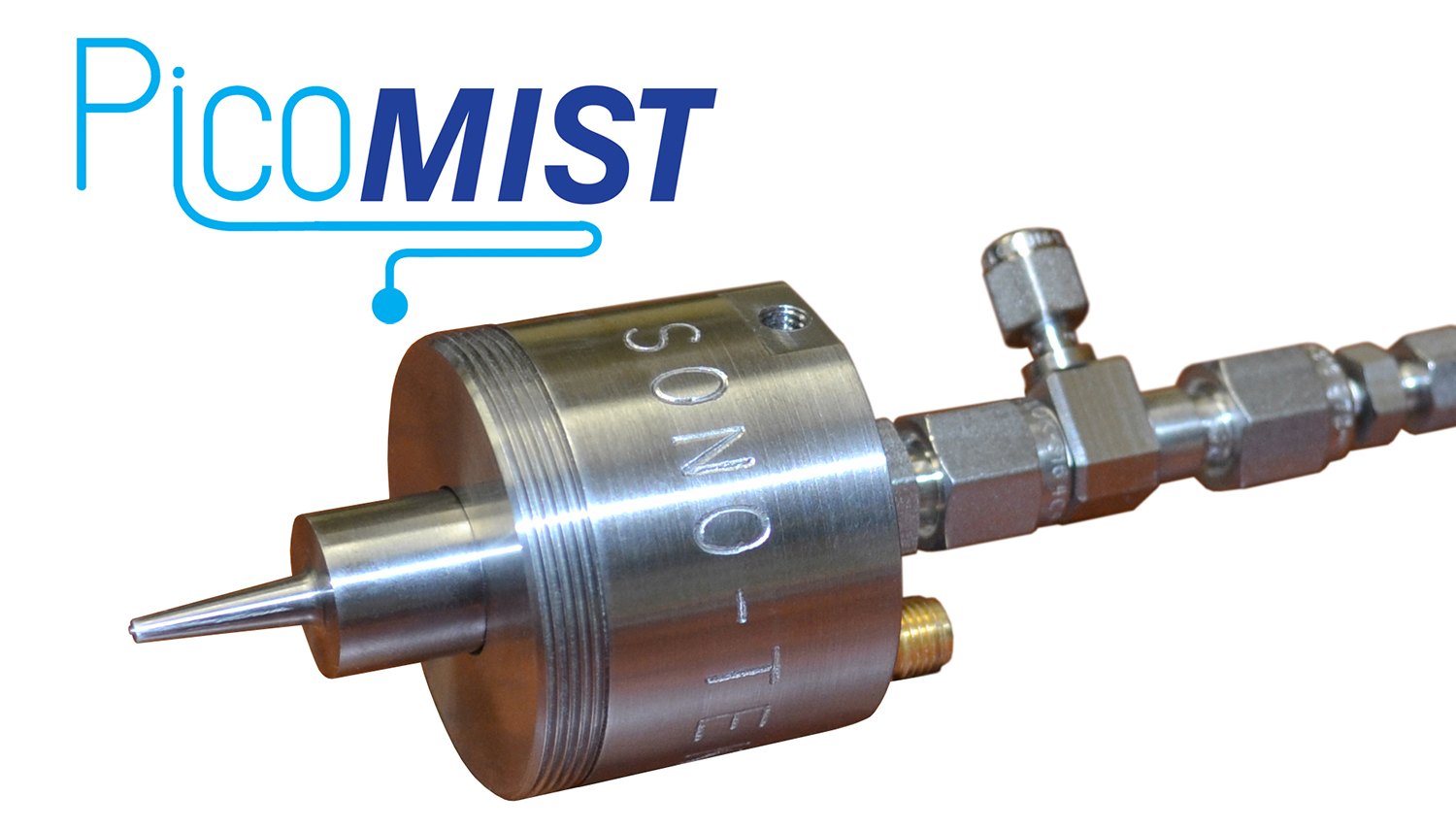
By adjusting nozzle frequency (which controls droplet size), along with precision control of liquid deposition rates and spray pattern widths, customers can tune coating morphology from dense/glossy to porous/matte to optimize sensor response and long-term durability.
Precise Film Thickness Control on Any Thin Film Substrate
Sensor accuracy often depends on ultra-consistent film thickness. Sono-Tek delivers controllable layer build ranging from sub-micron nanolayers to multi-micron films, with high repeatability across small or wide-area thin film substrates.
Key advantages:
- Highly repeatable thin film deposition techniques
- Uniformity across complex geometries
- Tight control of coating deposition rates and thickness
- High-quality films without edge-bead and minimal overspray
Ultrasonic Spray vs. Sputtering and Atomic Layer Deposition
Traditional thin film deposition methods like sputtering and Atomic Layer Deposition (ALD) typically require vacuum-based, batch processing and significant capital equipment costs. In contrast, Sono-Tek ultrasonic coating runs in non-vacuum conditions, enabling inline manufacturing with cost-effective, lower-capital equipment and increased product throughput.
Why manufacturers choose ultrasonic spray:
- No expensive vacuum chambers or batch queues
- Inline, continuous coating process
- Flexible deposition techniques, allowing thickness and morphology control for rapid iteration
- Lower total cost of ownership for scaling thin film technology
In-Situ Pretreatment and Inline Process Integration
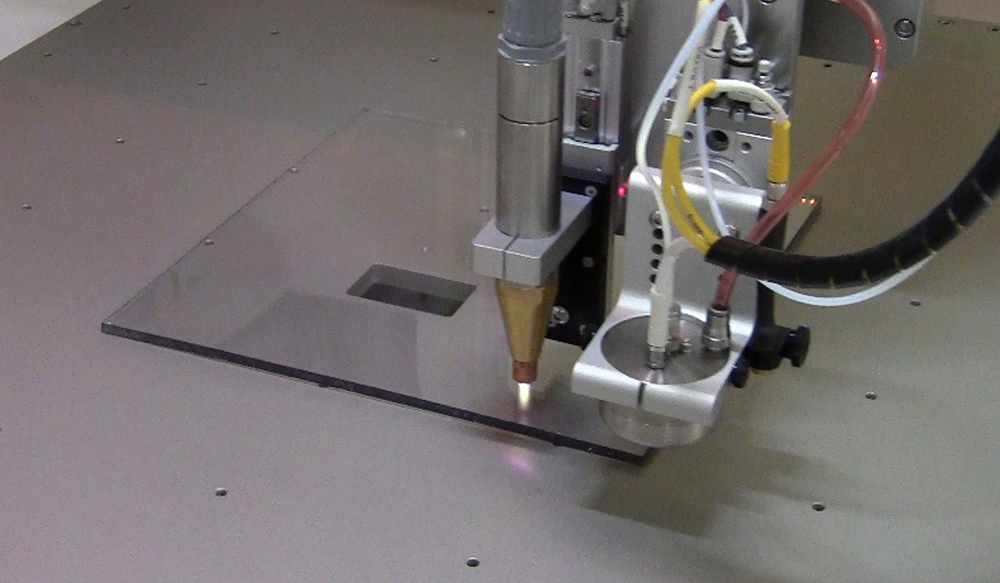
Because ultrasonic spray is open-air and programmable, it integrates easily with in-situ process steps that improve adhesion and enable new functionalities. Systems can be configured with inline corona or plasma pretreatment for surface activation immediately before thin film deposition, and optional post-curing stations to crosslink or dry the coating — without interrupting workflow or requiring vacuum handling.
High-Temperature Options to Boost Evaporation and Cure
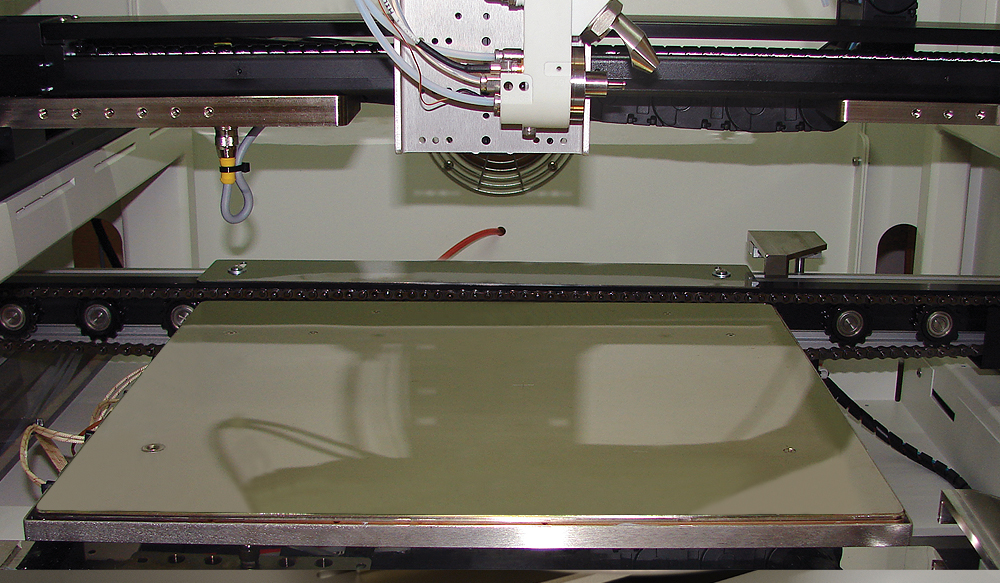
Many sensor coatings benefit from controlled solvent evaporation and thermal curing. Sono-Tek systems offer optional heat plates to support high temperatures during or after spray for optimized film formation. Heated stages can increase evaporation rates, densify thin films, and help lock in target conductivity and durability in both polymer and oxide sensor layers.
Benefits include:
- Increased evaporation rates for faster cycles
- Improved film densification and conductivity
- Better adhesion and durability for thin film sensor layers
From R&D Through High-Volume Sensor Production
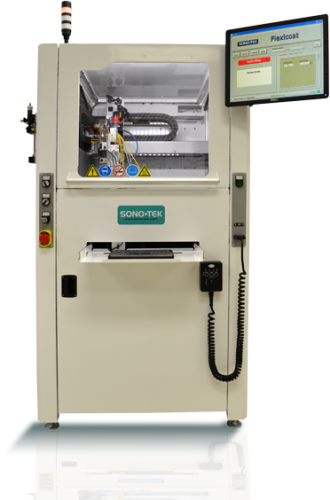
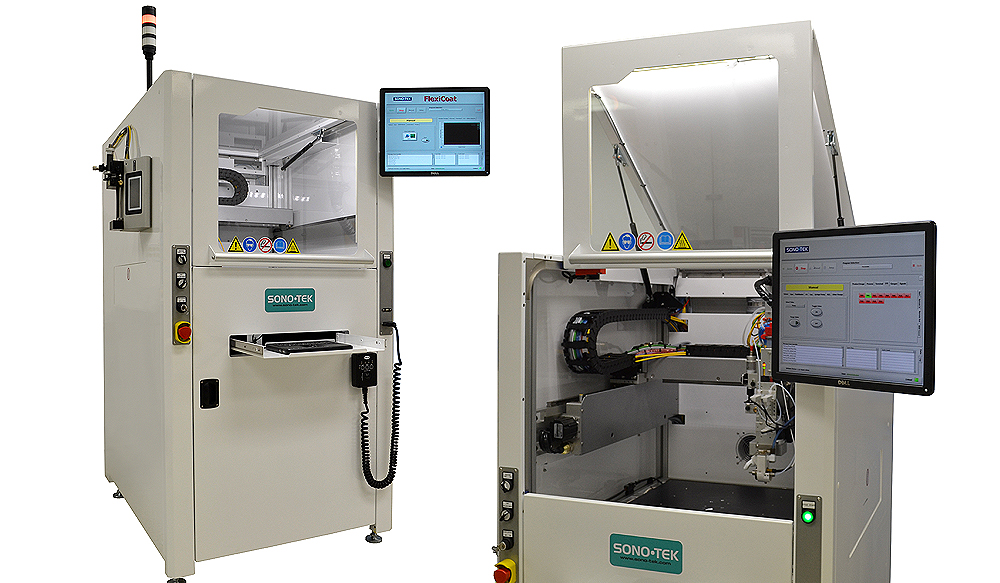
ExactaCoat™ and FlexiCoat™ platforms scale from process development to high-volume manufacturing, supporting multi-nozzle inline configurations for production sensor lines. They’re ideal for manufacturers needing:
- Closed-loop, real-time control for consistent thin film deposition
- Low-cost deposition of nanoparticles, polymers, and oxides
- Reliable, high-quality thin film coatings at production throughput
- Fast development of new thin film sensor functionalities
Find out more about Sono-Tek coating system advantages in our related technical paper: Ultrasonic Spray Coating of Nanoparticles.
Talk to an Applications Engineer – Tell us about your sensor coating application. Our team will recommend the right ultrasonic nozzle, deposition rates, and system configuration to achieve your target film thickness, morphology, and conductivity — from nanoparticle and oxide layers to conductive polymer coatings.